Scripture · Subscriber investigation
How the Canon Was Recognized
Not chosen at a council by a show of hands — and not dropped from the sky either.

By Anna de Vries|Aug 20, 2026|11 min
Updated Sep 2, 2026 at 8:52 PM EDT
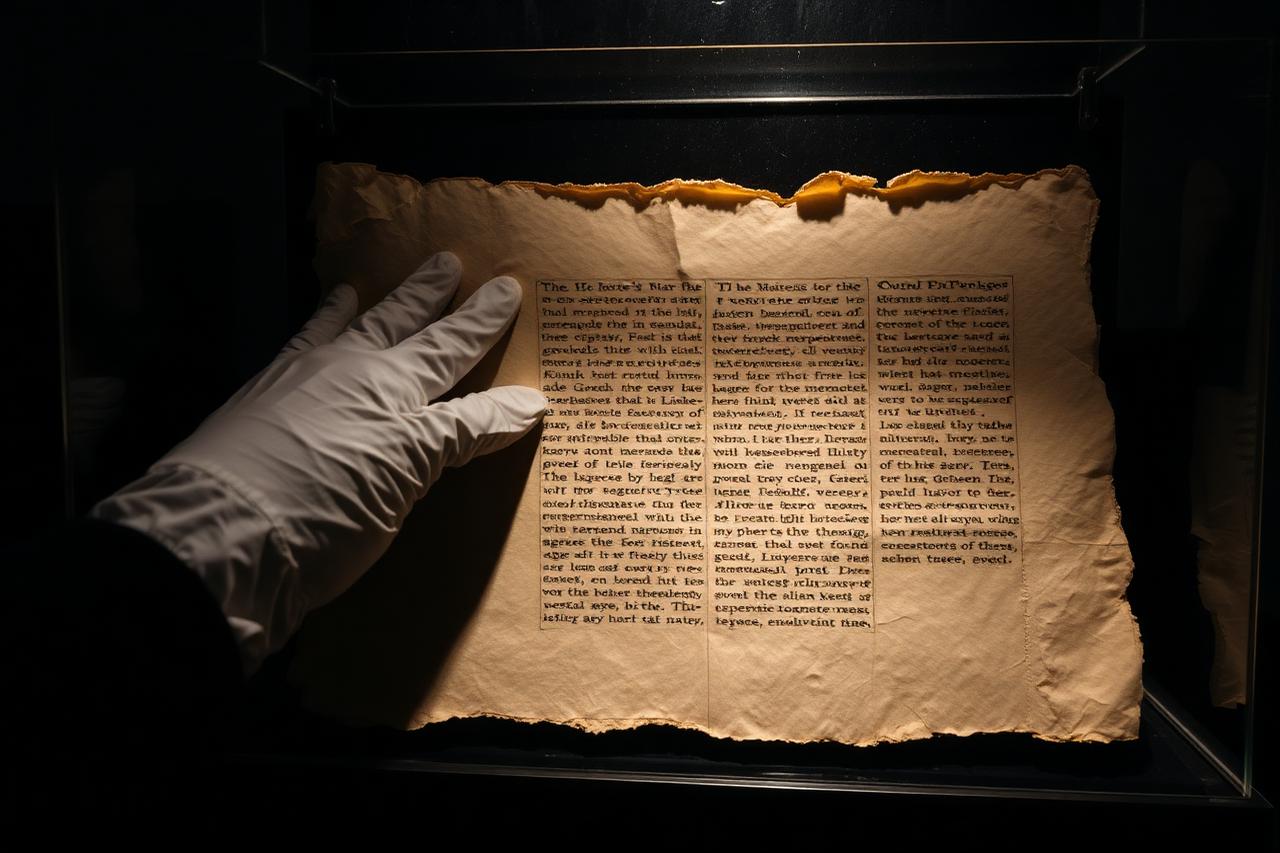
Two stories circulate. In the first, a fourth-century council picked the books and suppressed the rest. In the second, the canon arrived complete and uncontested. Neither survives the sources.
What actually happened
Recognition ran ahead of ratification. By the middle of the second century, the four Gospels and the Pauline corpus function as scripture in authors writing in Gaul, Rome, Syria, and Egypt — quoted as authoritative, argued from, and assumed known by their readers.
Already have an account? Sign in
Subscriber investigation
Two ways to read this article
Documents cost money to obtain, authenticate, and defend. Subscriptions pay for the filings, the court records, and the time it takes to read them twice. Apologetics essays stay free for everyone, always.
Create an account
Free
- Three metered articles a month
- Every apologetics essay, always free
- Save stories to your account
Subscribe
$8 / month
- Unlimited access to every investigation
- The full Evidence Desk, unredacted
- You fund the filings and the court records
This article continues at The Crozier Report. Subscribe to keep reading.